Bladder problems are more common than most people admit. Frequent urges, leaks, discomfort, or waking up at night to urinate — these issues quietly affect millions of people and are rarely talked about openly. The good news is that many of them can be improved, and in some cases prevented entirely, with the right habits.
Knowing how to improve bladder health does not require complicated treatments or medication in most cases. Small, consistent changes to your daily routine make the biggest difference. This guide explains what works, what to avoid, and when to see a doctor.
What Does a Healthy Bladder Do?
The bladder is a muscular sac that stores urine until you are ready to release it. A healthy bladder can hold around 400 to 600 ml of urine comfortably, and most people urinate six to eight times in a 24-hour period.
When things go wrong, the bladder may feel urgent all the time, leak without warning, or fail to empty completely. These are not just inconveniences. Over time, they can affect sleep, confidence, work, and relationships.
How to Improve Bladder Health
The most effective ways to improve bladder health are staying well hydrated, avoiding known bladder irritants, doing pelvic floor exercises, maintaining a healthy weight, and not ignoring early symptoms. Most people see meaningful improvement within a few weeks of making these changes consistently.
Quick summary: Healthy bladder habits include drinking enough water through the day, limiting caffeine and alcohol, doing pelvic floor exercises regularly, maintaining a healthy weight, and acting on symptoms early rather than waiting.
Drink the Right Amount of Fluid
One of the most common mistakes people make is drinking too little water because they want to urinate less. This actually makes things worse. Concentrated urine irritates the bladder lining and increases urgency and discomfort.
Aim for around six to eight glasses of fluid a day. Water is the best choice. Spread your intake through the day rather than drinking large amounts at once.
Drinking excessive amounts of water is also unnecessary and may worsen frequency in some people. More is not always better when it comes to bladder health.
Reduce fluids in the two hours before bedtime if nocturia (waking at night to urinate) is a problem. But do not cut back during the day.
Avoid Foods and Drinks That Irritate the Bladder
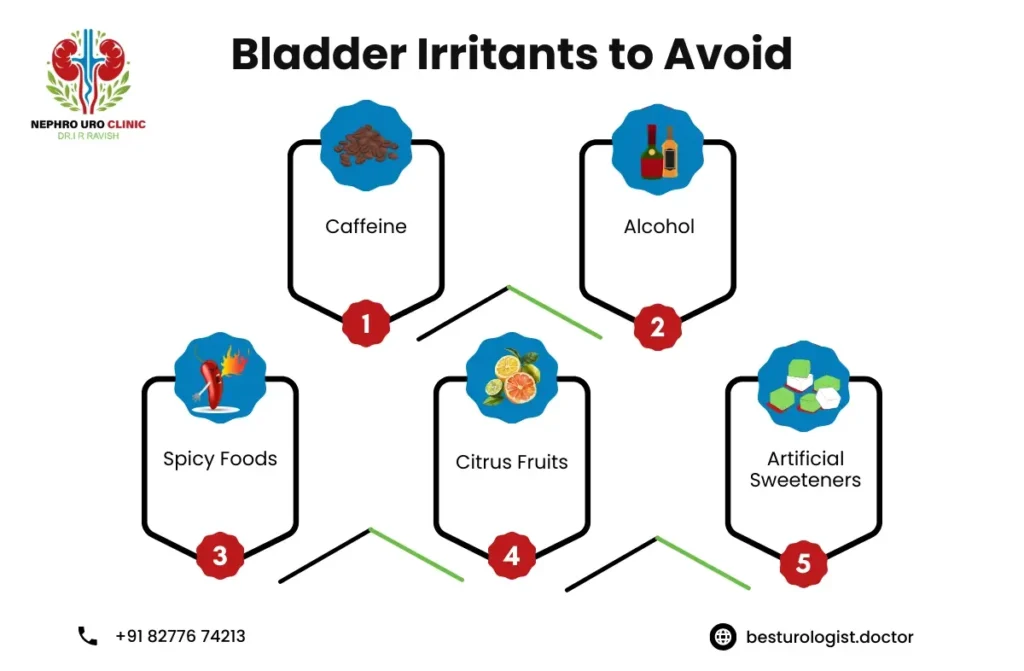
Certain foods and drinks trigger bladder symptoms in many people. The most common ones are:
- Caffeine, found in coffee, tea, energy drinks, and some sodas
- Alcohol
- Spicy foods
- Citrus fruits and juices
- Fizzy drinks
- Artificial sweeteners
These do not affect everyone equally. A useful approach is to keep a simple diary for one to two weeks, tracking what you eat and drink alongside your bladder symptoms. Patterns often become clear quickly.
Cutting back on caffeine alone makes a noticeable difference for many people with urgency or frequency.
Do Not Hold Urine for Too Long
Going to the toilet every three to four hours is a healthy pattern for most adults. Regularly holding urine for much longer than this can stretch the bladder over time and weaken the muscles that control it.
At the same time, going to the toilet “just in case” when you do not feel an urge is also unhelpful. This trains the bladder to send signals earlier and earlier, leading to more frequent urges.
The goal is to respond to a genuine urge, not to pre-empt one.
Strengthen Your Pelvic Floor
The pelvic floor is a group of muscles that sit at the base of the pelvis and support the bladder, bowel, and uterus in women. When these muscles are weak, bladder leaks and urgency become more likely.
Pelvic floor exercises, often called Kegel exercises, are one of the most effective ways to improve bladder function over time. They work for both men and women.
Here is how to do them correctly:
Identify the right muscles by imagining you are stopping the flow of urine. The muscles you tighten are your pelvic floor. Do not do this while actually urinating, as it can interfere with normal bladder emptying.
Tighten those muscles and hold for five seconds, then relax fully for five seconds. That is one repetition. Aim for ten repetitions, three times a day.
Consistency matters more than intensity. Most people notice improvement after four to six weeks of daily practice.
Eat a Diet That Supports Bladder Health
What you eat affects your bladder more than most people realise.
Foods That Support Bladder Health
Fibre: Constipation puts pressure on the bladder and can worsen urgency and leakage. Eating enough fibre from vegetables, fruits, and whole grains keeps bowel movements regular and reduces that pressure.
Lean protein: Fish, chicken, eggs, and plant-based proteins are gentle on the bladder compared to very spicy or heavily processed meat dishes.
Water-rich foods: Cucumbers, watermelon, and leafy greens contribute to hydration without overloading the bladder.
Bladder Habits to Avoid at the Table
Salt: A high-salt diet increases the amount of urine your kidneys produce, which means more work for the bladder. Reducing processed foods and added salt can help with frequency.
Known irritants: Caffeine, alcohol, spicy food, and artificial sweeteners are the most common dietary triggers. Reducing them, even partially, often makes a noticeable difference.
Maintain a Healthy Weight
Excess weight, particularly around the abdomen, puts direct pressure on the bladder. This is one of the main reasons urinary incontinence is more common in people who are overweight. Even a modest reduction in weight, around five to ten percent of body weight, can significantly improve bladder control.
Regular physical activity also strengthens the core and pelvic muscles that support the bladder.
Quit Smoking
Smoking is a direct risk factor for bladder cancer. Beyond that, the chronic cough that often comes with smoking puts repeated strain on the pelvic floor, worsening leaks. Smoking also irritates the bladder lining directly.
If you smoke and have bladder symptoms, quitting is one of the most impactful changes you can make.
Practise Good Bladder Hygiene
A few simple habits reduce the risk of urinary tract infections and keep the bladder functioning well:
- After using the toilet, wipe from front to back. This prevents bacteria from the bowel reaching the urethra.
- Urinate after sexual activity to flush out any bacteria that may have entered the urethra.
- Avoid scented soaps, sprays, or wipes around the genital area, as these can irritate the urethra.
- Wear breathable cotton underwear rather than synthetic fabrics.
What Affects Bladder Health Over Time
Several conditions can gradually affect how the bladder works. Being aware of them helps you stay proactive.
- Age: Bladder muscles naturally become less elastic with age. Bladder capacity reduces slightly, and the urge to urinate can come on more suddenly. This is common and manageable with the habits described above.
- Diabetes: High blood sugar damages nerves, including those that control the bladder. People with diabetes are at higher risk of both overactive bladder and incomplete bladder emptying.
- Obesity: As mentioned above, excess abdominal weight increases pressure on the bladder directly.
- Pregnancy and childbirth: Carrying a baby and vaginal delivery can weaken the pelvic floor significantly. Kegel exercises during and after pregnancy are strongly recommended.
- Menopause: Hormonal changes after menopause can affect bladder control and increase urinary urgency in women. Falling oestrogen levels reduce the tone of the urethra and bladder lining, making symptoms more likely in the years after menopause.
- Neurological conditions: Conditions such as multiple sclerosis, Parkinson’s disease, or stroke can affect the nerve signals between the brain and the bladder, leading to urgency, frequency, or retention.
Common Bladder Problems to Know
Urinary incontinence is the involuntary loss of urine. Stress incontinence happens when pressure, such as from coughing or sneezing, causes a leak. Urgency incontinence is a sudden, strong urge followed by leakage before reaching the toilet. Both types respond well to pelvic floor training and, in some cases, medication or minor procedures.
Overactive bladder (OAB) involves a frequent and sudden urge to urinate that is hard to control. It can happen with or without leakage. Bladder retraining, dietary changes, and pelvic floor exercises are the first line of management.
Urinary tract infections (UTIs) cause burning, frequency, and sometimes blood in the urine. Recurring UTIs need medical evaluation to identify and address the underlying cause.
Incomplete bladder emptying is more common in men with prostate issues but can affect anyone. It increases the risk of infections and can cause a constant feeling of needing to urinate.
Signs Your Bladder Needs Medical Attention
Most bladder symptoms improve with lifestyle changes. But certain signs should never be ignored or attributed to aging. See a urologist promptly if you notice any of the following.
- Blood in the urine requires immediate evaluation, even if it happens just once, is completely painless, and clears up the next day. Painless blood in the urine is one of the most common early signs of bladder cancer. Do not wait for it to happen again before seeking advice.
- Complete inability to urinate is an acute medical emergency. If you cannot pass urine at all, go to an emergency room or specialist clinic immediately. Delayed treatment can cause serious kidney injury.
- Pain or burning that does not resolve after a few days, even with increased fluids, needs assessment to rule out infection or structural causes.
- A sudden change in your usual bladder pattern, such as a sharp increase in frequency, new urgency, or unexpected leakage, warrants a check-up.
- Leakage that affects your daily life or sleep is never something you simply have to accept. Effective treatments exist for all types of urinary incontinence.
At Nephro Uro Clinic in Bengaluru, Dr. I. R. Ravish assesses bladder concerns with a thorough evaluation and creates a management plan suited to each patient’s specific situation. Early assessment leads to better outcomes and simpler treatment.
Conclusion
Bladder health is something most people take for granted until a problem appears. But the habits you build today, staying well hydrated, eating a balanced diet, doing pelvic floor exercises, and acting on early symptoms, can protect your bladder for years to come.
Knowing how to improve bladder health is the first step. Putting it into practice consistently is what makes the difference. Small changes add up, and many people see real improvement within just a few weeks.
If symptoms are affecting your daily life, your sleep, or your confidence, that is reason enough to seek help. Bladder conditions are very treatable when caught early. Do not wait until things become difficult to manage.
Dr. I. R. Ravish and the team at Nephro Uro Clinic, Bengaluru are available to assess your concerns, answer your questions, and guide you toward the right treatment if needed.