
What is a Varicocele
Inside the scrotum, small veins carry blood away from the testicle. In some men, the valves inside these veins do not close properly, so blood pools and the veins swell up. This is called a varicocele. It happens most often on the left side because of how the veins are positioned there, though it can affect either side or both.
A varicocele is fairly common, and many men have one without ever noticing it. In some men, though, it causes discomfort, and it is often found during fertility checkups since it can be one of several factors affecting sperm production. The exact way it affects fertility is not fully settled science. A commonly proposed reason is that it raises the temperature around the testicle slightly, which may interfere with sperm production. When treatment is needed, micro varicocele surgery is one microsurgical approach that can be considered, depending on the varicocele and the patient’s symptoms or fertility concerns.
What Causes It
Doctors cannot always point to one exact cause. The problem usually comes down to weak or faulty valves in the veins of the scrotum, along with how the veins are positioned, especially on the left side. It is not something you caused through any particular habit or lifestyle choice.
Signs to Watch For
Not every varicocele causes symptoms. When it does, you might notice:
- A dull ache or heaviness in the scrotum, especially after standing or exercising, that gets better when you lie down
- A visible or feelable swelling above the testicle, sometimes described as feeling like a bag of worms
- One testicle appearing smaller than the other over time, which is more often checked for in teenagers and young men
- Trouble conceiving with your partner, often picked up only after a semen analysis
Some men only find out they have one during a fertility evaluation, without ever feeling any pain.
How It Is Diagnosed
Your doctor will start with a physical exam, checking the scrotum both standing and lying down, since varicoceles are often easier to feel while standing. The clinical exam is the main way a varicocele is first identified.
- Scrotal ultrasound with Doppler is used to confirm the diagnosis when the exam is not fully clear, to check the size and grade of the varicocele, and to rule out other causes of scrotal swelling.
- Semen analysis is usually recommended if fertility is a concern. It shows whether sperm count, movement, or shape are abnormal, though it cannot on its own prove that the varicocele is the cause. Your doctor looks at the full picture, including other possible fertility factors, before deciding.
- Hormone tests are sometimes added if there is a concern about testicular function overall.
When Surgery is Recommended
Not every varicocele needs treatment. Surgery is generally considered when there is a varicocele your doctor can feel on examination, along with one or more of the following:
- Ongoing pain or discomfort in the scrotum that affects daily life
- Semen analysis shows abnormal results as part of an infertility evaluation, where the varicocele is judged to be a likely contributing factor
- In teenagers or young men, the testicle on the affected side is smaller than the other, which is looked at differently from fertility related surgery in adults
- A couple is trying to conceive and the varicocele is considered part of the overall fertility picture, based on a full evaluation rather than any single test alone
If the varicocele is small and not causing symptoms or fertility concerns, your doctor may recommend simply monitoring it rather than operating.
The Microsurgical Technique
There are a few different ways to repair a varicocele, including open surgery, laparoscopic surgery, and radiological embolization. The microsurgical approach, usually done through a small cut low in the groin, is widely preferred by urologists because it tends to have lower rates of the varicocele coming back and fewer complications than some older techniques. Using an operating microscope lets the surgeon clearly see and separate the tiny artery and lymph vessels from the swollen veins, so mainly the faulty veins are tied off. The goal is to protect the artery and lymph vessels as much as possible, though as with any varicocele surgery, injury to these structures remains a small possible risk.
Anesthesia: Depending on the centre and your individual case, this procedure can be done under local, spinal, or general anesthesia. Your surgeon will discuss the best option for you.
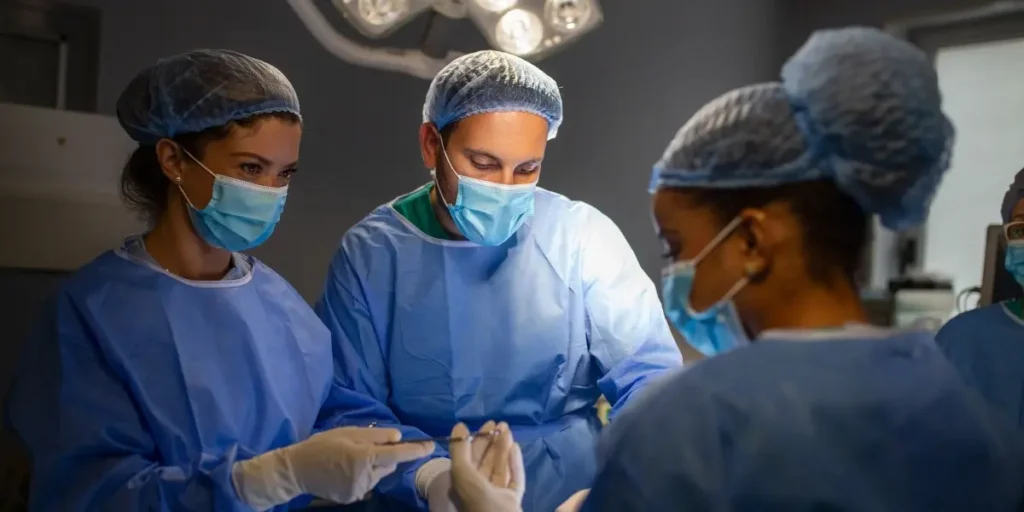
During surgery: Working through a small incision, the surgeon uses the microscope to identify and tie off the abnormal veins while trying to protect the artery and other structures nearby.
Duration: The surgery typically takes one to two hours, depending on the anatomy and whether one or both sides are being treated.
Recovery After Surgery
Many patients go home the same day or the next morning, depending on the anesthesia used and the surgeon’s preference. You will likely feel some soreness for the first few days, which is normal and usually manageable with the pain medication your doctor prescribes.
- First few days: Rest and avoid heavy activity. Wearing supportive underwear can help with comfort and swelling.
- One to two weeks: Light daily activities can often resume within a few days, and many men are back to desk work within a week, though this varies by individual.
- Two to three weeks: Normal activity, including exercise and heavier physical work, is often possible after this point, but the exact timing should be confirmed with your surgeon based on how you are healing.
- Fertility follow up: If the surgery was done to help with fertility, semen analysis is usually repeated a few months later, often around the three month mark, sometimes more than once. This waiting period allows enough time for any change in sperm production to show up in the results. Improvement, when it happens, is often seen within three to six months, though this varies from person to person.
How Well Does It Work
Research on microsurgical varicocelectomy generally shows improvement in semen parameters for a good proportion of men after surgery. Pregnancy outcomes for couples trying to conceive can also improve following the procedure, though pregnancy depends heavily on other factors too, including the female partner’s fertility, so results are not guaranteed and vary from couple to couple. Recurrence, meaning the varicocele coming back, is less common with the microsurgical technique than with some older approaches. Overall results depend on the severity of the varicocele before surgery and the broader fertility picture.
Risks and Possible Side Effects
This is considered a safe procedure overall, but like any surgery it carries some risk.
- Common and usually minor: Mild pain or swelling near the cut, and bruising that fades within a week or two on its own.
- Less common: A hydrocele, where fluid collects around the testicle, can happen in a small number of cases because some tiny lymph vessels near the veins may be affected during surgery. Smaller hydroceles often settle on their own or need only simple monitoring, but a larger or persistent one may need a separate procedure to drain or correct it.
- Rare: Infection at the incision site, or the varicocele returning over time. Injury to the testicular artery is uncommon with the microsurgical technique because the microscope helps the surgeon see and protect it, but it remains a possible risk with any varicocele surgery. Testicular shrinkage from reduced blood flow is rare.
When to Contact the Clinic
Call Nephro Uro Clinic if you notice any of the following after surgery:
- Fever or chills
- Increasing redness, swelling, or discharge at the incision
- Pain that keeps getting worse instead of improving
- Significant new swelling in the scrotum
Do not wait these out. A quick check by your doctor can catch any problem early.
Cost of the Surgery
The cost of microsurgical varicocele repair in Bangalore varies depending on the hospital, whether one or both sides need treatment, the anesthesia used, and any additional tests required. Rather than quote a fixed figure here, we recommend discussing the exact cost during your consultation, once your specific case has been assessed. This gives you an accurate estimate rather than a generic number that may not apply to you.
About Dr. Ravish at Nephro Uro Clinic
Dr. I. R. Ravish has over 28 years of medical practice, including more than 20 years focused on urology, with specific experience in microsurgical procedures for male fertility. At Nephro Uro Clinic in Jayanagar, Bengaluru, every patient receives a full evaluation, a clear explanation of whether surgery is actually needed, and proper follow up care afterward. Patients from across Bengaluru and beyond visit the clinic for varicocele repair and fertility related concerns.
To book a consultation, contact the clinic directly. If you have had any prior ultrasound or semen analysis reports done, bring them along so your first visit can be as useful as possible.