
What Laparoscopic Surgery Involves
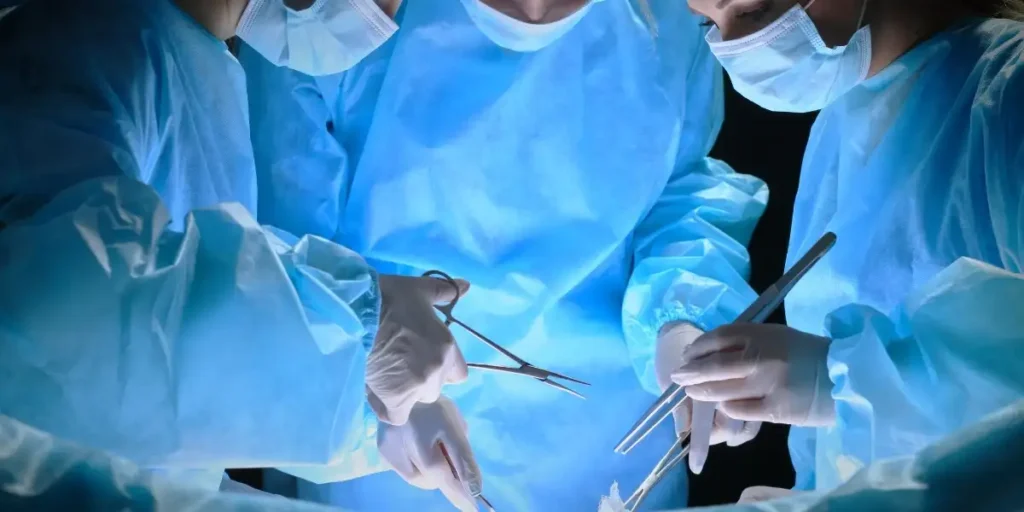
In Laparoscopic Urology, the surgeon makes a small number of small incisions instead of one long cut used in open surgery. The exact number and size of incisions depend on the procedure being performed. A thin tube with a camera on the end, called a laparoscope, is passed through one incision and sends a magnified picture of the inside of the body to a screen in the operating room. The surgeon then works through the remaining small incisions using long, narrow instruments while watching this view.
Smaller incisions generally mean less cutting through muscle than open surgery, which is one reason recovery is often more comfortable. That said, how much this helps a particular patient depends on several things, including the procedure itself, how complex the case is, and the patient’s overall health, so it is not a guarantee that applies equally in every situation.
Laparoscopic Procedures Offered at Nephro Uro Clinic
The services below are procedures Dr. Ravish performs using a laparoscopic approach.
Laparoscopic Nephrectomy (Kidney Removal)
This procedure may be recommended when a kidney is severely damaged, diseased, or affected by cancer and needs to be removed. Working through small incisions, Dr. Ravish separates the kidney from surrounding tissue and removes it, avoiding the larger cut used in traditional open nephrectomy. Recovery is generally faster than open surgery, though it remains a major operation, with most patients staying in hospital for two to three days and taking around three to four weeks to return to normal activity.
As with any laparoscopic surgery, there is a small chance the operation may need to be converted to an open procedure during surgery, for example if bleeding cannot be safely controlled laparoscopically or the anatomy is more complex than expected. This is a recognised part of informed consent for any laparoscopic case and will be discussed with you beforehand.
Laparoscopic Pyeloplasty
Some people are born with, or develop, a narrowing where the kidney joins the ureter, which can cause pain, recurring infections, or gradually affect kidney function. Laparoscopic pyeloplasty repairs this narrowing through small incisions, reconstructing the join so urine drains normally again. Most patients stay in hospital for two to three days, with fuller recovery over two to four weeks.
Laparoscopic Ureterolithotomy for Kidney and Ureteral Stones
Most kidney and ureteral stones today are treated using endourological methods that involve no external incisions at all, such as ureteroscopy with laser lithotripsy or PCNL. These handle the large majority of stone cases and are generally tried first. Laparoscopic ureterolithotomy is reserved for a smaller group of cases, typically large stones impacted in the ureter that have not responded to, or are not suitable for, these endourologic options. It should be understood as a later option for specific stone cases, not a routine first choice. Recovery from this procedure is usually quicker than nephrectomy or pyeloplasty, with most patients discharged within one to two days.
Other Procedures Within Laparoscopic Urology
Laparoscopic and robotic techniques are also used elsewhere in urology, including in some prostate cancer surgery and pelvic floor repair. It’s worth knowing where these currently stand.
Prostate cancer surgery (radical prostatectomy) and bladder cancer surgery (radical cystectomy) are increasingly performed using robotic assisted laparoscopic surgery rather than conventional laparoscopy, because of the precision needed for pelvic reconstruction and the importance of accurate cancer staging. These are specialised procedures offered at select centres.
Pelvic organ prolapse repair sits at the overlap of urology and gynaecology, and is handled by specific specialists depending on the type of prolapse involved.
Nephro Uro Clinic does not currently list these as core services on this page. If your condition falls into one of these categories, please contact the clinic directly to confirm what is available and, if needed, get a referral to the right specialist, so your treatment is planned correctly from the start.
How to Prepare for Laparoscopic Surgery
Preparation varies by procedure, but generally includes the following.
Blood tests and imaging scans beforehand, so your surgical team has a clear picture of your condition.
A review of your current medications. If you are taking blood thinners such as aspirin, clopidogrel, or warfarin, do not stop or adjust them on your own. Your doctor will give you specific instructions on when and how to pause them safely before surgery, if needed.
Fasting before the procedure, exactly as instructed by your anaesthesia team, since fasting timing can vary depending on the type of anaesthesia and your individual health.
If you smoke, your care team will usually advise stopping well before surgery, since smoking can slow wound healing and increase surgical risk. Alcohol intake may also need to be reduced or stopped in the days before surgery, as separately advised by your doctor.
What Happens During the Procedure
You are given general anaesthesia, which is managed by an anaesthesia specialist to keep you unaware and free of pain throughout the procedure.
The surgeon makes a small number of incisions to insert the laparoscope and surgical instruments, sized and positioned based on the specific procedure.
The abdomen is gently inflated with carbon dioxide gas to create space for the surgeon to see and work clearly.
Using the camera view on screen, the surgeon carries out the repair, removal, or reconstruction needed for your condition.
Once complete, the incisions are closed using a method your surgeon selects based on the procedure, which may involve dissolvable stitches, regular stitches, or surgical glue.
In a small number of cases, if safety requires it, such as significant bleeding or unexpected findings during surgery, the operation may need to be converted to open surgery partway through. This possibility is discussed with every patient before surgery as part of informed consent, even though it is uncommon.
Recovery After Laparoscopic Urology Surgery
Recovery is different depending on which procedure you have had, so it helps to know roughly what to expect for your specific surgery.
After stone removal procedures (ureterolithotomy): Most patients are up and moving within a day, with hospital stay of around one to two days.
After nephrectomy or pyeloplasty: Hospital stay is usually two to three days, with fuller recovery over three to four weeks.
Common early symptoms after any laparoscopic urology surgery: Mild pain at the incision sites is expected in the first few days and is generally well controlled with medication. Many patients also notice bloating, and some feel a dull ache in the shoulder tip for a day or two. This shoulder discomfort is a well known and harmless effect of the gas used during surgery, not a sign of a problem with the shoulder itself, and it settles on its own.
Across all procedures, avoid heavy lifting and strenuous exercise for the period advised by your surgeon, stay well hydrated, and attend your scheduled follow up visits so your recovery can be checked properly.
When to Contact the Clinic After Surgery
Contact Nephro Uro Clinic promptly if you notice any of the following after going home.
- Fever above 38°C or chills.
- Increasing redness, swelling, or discharge at any incision site.
- Severe pain that is not controlled by your prescribed medication.
- Difficulty passing urine, or a significant drop in the amount of urine you are passing.
- Any bleeding that seems heavier than expected.
- Do not wait to see if these symptoms settle on their own. Early attention makes a real difference.
Laparoscopic Urology Cost in Bangalore
The cost of laparoscopic urology in Bangalore depends mainly on which procedure is performed. A stone removal procedure costs considerably less than a kidney removal or a pyeloplasty, since these are more complex operations requiring longer surgery and hospital stay. Other factors that affect the final cost include the hospital and room category chosen, pre-surgery investigations, anaesthesia charges, surgical consumables, and post-operative care.
Because of this range, we are not able to publish a single reliable figure on this page. The most accurate way to know your likely cost is a consultation, where Dr. Ravish can assess your specific condition and the clinic can give you a written estimate before you decide on treatment.
Laparoscopic Urology Near You in Bangalore
Nephro Uro Clinic is located in Jayanagar, Bengaluru, and sees patients from Tilaknagar, JP Nagar, BTM Layout, Bannerghatta Road, Koramangala, Electronic City, and other parts of the city. To find out if a laparoscopic approach is right for your condition, contact the clinic to arrange a consultation with Dr. Ravish.