Medical Disclaimer This article is for general educational purposes only. No supplement can replace medical diagnosis or treatment. Always consult a qualified urologist before starting any supplement, particularly if you have an existing prostate condition, take prescription medications, or have elevated PSA levels.
Prostate health becomes a real concern for most men from their mid-40s onward. As the prostate grows with age, it can cause urinary symptoms that affect sleep, comfort, and daily life. Benign prostatic hyperplasia (BPH) affects around 50% of men by age 60 and up to 90% by age 85, according to the American Urological Association.
Many men look to food supplement for prostate health as a first step before considering medication or surgery, or alongside medical treatment to support overall prostate function. Some supplements have a meaningful body of evidence behind them. Others are overhyped. This guide explains the difference clearly so you can make an informed decision.
Can Supplements Really Help the Prostate?
The honest answer is: some can help with specific symptoms, and some show promise for reducing long-term risk. None of them cure prostate disease or replace medical care.
The most realistic benefit from evidence-based prostate supplements is modest improvement in lower urinary tract symptoms, particularly urinary frequency, nighttime urination, and urine flow. For men with mild to moderate BPH who are not yet at the point of needing medication, the right supplement alongside dietary changes may reduce symptom burden meaningfully.
What supplements cannot do is shrink a significantly enlarged prostate, treat prostate cancer, or replace a PSA test and clinical evaluation.
Why Do Men Use Supplements for Prostate Health?
Men commonly notice early changes in their urinary pattern before they see a doctor. More trips to the bathroom at night, a weaker stream, or the feeling of not fully emptying the bladder are common triggers. These symptoms are associated with BPH but can also have other causes that need proper assessment.
Supplements are appealing because they feel like a natural, low-risk first step. Many do carry a reasonable safety profile when taken at appropriate doses. The key is choosing ingredients that have actual clinical evidence rather than marketing claims.
Key Supplements and What the Evidence Says
Beta-Sitosterol
Beta-sitosterol is a plant sterol found naturally in pumpkin seeds, nuts, and certain vegetables. It is the most consistently supported supplement ingredient for BPH symptom relief.
A Cochrane systematic review of four randomised controlled trials found that beta-sitosterol significantly improved urinary symptom scores and peak urine flow compared to placebo. The effect is more consistently replicated in high-quality trials than saw palmetto.
If you are looking specifically for a supplement to address urinary symptoms from BPH, check that beta-sitosterol is listed and dosed at a clinically relevant level. Most studies used 60 to 130 mg per day. It is available as a standalone supplement or included in combination prostate formulas.
Saw Palmetto
Saw palmetto is extracted from the berries of the Serenoa repens palm and is the most widely used herbal supplement for prostate health. It has a long history of traditional use and decades of research behind it.
The evidence is mixed. Earlier smaller studies showed benefit in reducing urinary symptoms. Larger, well-designed trials including a Cochrane review published in 2012 found that saw palmetto at standard doses did not perform significantly better than placebo for BPH symptoms.
Some practitioners and patients report benefit, and the supplement is generally well tolerated. It is reasonable to try, but expectations should be realistic and it should not be used as a substitute for proper BPH evaluation.
Pygeum (African Plum Extract)
Pygeum africanum is derived from the bark of the African cherry tree. It has a longer clinical history in Europe than saw palmetto and has been used for BPH management in France since the 1960s.
A systematic review of 18 randomised trials found that men taking pygeum were more than twice as likely to report improvement in overall symptoms compared to placebo. Benefits included reduced nighttime urination and improved urine flow. It is often combined with saw palmetto in prostate supplement formulas.
Rye Grass Pollen Extract
Rye grass pollen extract, also called cernilton, is derived from the pollen of several grass species and has been studied specifically for BPH and chronic prostatitis. A Cochrane review found it improved overall urinary symptoms and nighttime urination compared to placebo, though study quality was variable.
It is less widely available than saw palmetto or beta-sitosterol but is worth considering for men whose symptoms include pelvic discomfort alongside urinary symptoms, as it has some evidence for prostatitis-related symptoms as well.
Zinc
The prostate gland contains the highest concentration of zinc of any organ in the body. Zinc plays a key role in maintaining hormonal balance, supporting immune defence within the prostate, and regulating normal cell division.
Zinc deficiency has been linked to increased susceptibility to prostate enlargement and infection. Most quality prostate supplements include zinc at 10 to 30 mg per dose. Good dietary sources include pumpkin seeds, oysters, and legumes.
One important note: long-term supplementation above 40 mg per day can impair copper absorption and cause other problems. Choose a supplement that keeps zinc within the recommended daily range.
Lycopene
Lycopene is the carotenoid that gives tomatoes and watermelon their red colour. It is one of the most studied dietary compounds in relation to prostate cancer. Multiple epidemiological studies have associated higher lycopene intake with a reduced risk of prostate cancer, though randomised trials have produced mixed results.
What is clear is that cooked tomato products deliver significantly more absorbable lycopene than raw tomatoes, because heat breaks down cell walls and releases the compound. Including tomato-based dishes several times a week is a practical dietary habit for prostate health. Lycopene supplements are available but the dietary route is well supported and cost-effective.
Selenium
Selenium is a trace mineral and antioxidant that protects cells from oxidative damage. It is found in Brazil nuts (one of the richest dietary sources), eggs, and fish.
An important clinical caveat applies here. The large SELECT trial, published in JAMA in 2009, found that selenium supplementation did not reduce prostate cancer risk and in some subgroups was associated with a slightly higher risk of high-grade prostate cancer. This finding refers specifically to high-dose selenium supplements, not dietary selenium intake.
Selenium from food sources at normal dietary levels is considered safe. High-dose selenium supplementation to prevent prostate cancer is not supported by current evidence. If your supplement contains selenium, it should be at or below the recommended daily intake of 55 mcg.
Vitamin D
Vitamin D receptors are present in prostate cells, and low serum vitamin D levels have been consistently associated in epidemiological studies with a higher risk of aggressive prostate cancer. Vitamin D supports immune function, regulates cell growth, and reduces inflammation.
Many men in India, despite living in a sunny climate, have low vitamin D levels due to indoor work, sunscreen use, and dietary factors. Testing vitamin D levels with a simple blood test is worthwhile before supplementing. Most guidelines suggest 1,000 to 2,000 IU per day as a maintenance dose for adults, with the specific dose based on your blood result.
Green Tea Extract (EGCG)
Green tea is rich in polyphenols, particularly epigallocatechin gallate (EGCG). Laboratory studies show anti-inflammatory and anti-proliferative effects in prostate cells. Some clinical research suggests that green tea catechins may slow progression from pre-cancerous prostate lesions to frank cancer.
Drinking three to four cups of green tea daily is a practical and well-tolerated way to obtain therapeutic levels of catechins. Standardised green tea extract supplements are an alternative for those who prefer not to drink tea daily.
Soy Isoflavones
Soy contains isoflavones, plant compounds with mild oestrogen-like properties. Population studies of men in East Asia, where soy consumption is high, have historically shown lower rates of prostate cancer. Controlled intervention trials have produced mixed results.
The protective effect appears more relevant in men who have consumed soy throughout life rather than those starting supplementation in middle age. That said, incorporating soy-based whole foods such as tofu, edamame, and soy milk into a balanced diet is broadly considered beneficial and carries minimal risk.
A Summary of the Evidence
| Supplement | Primary Benefit | Evidence Level |
|---|---|---|
| Beta-sitosterol | BPH urinary symptom relief | Strong |
| Pygeum | BPH urinary symptoms, nighttime urination | Moderate |
| Rye grass pollen | BPH and prostatitis symptoms | Moderate |
| Zinc | Prostate cell function, hormonal balance | Moderate |
| Lycopene | Antioxidant, possible cancer risk reduction | Moderate |
| Saw palmetto | BPH symptom relief | Mixed |
| Green tea (EGCG) | Anti-inflammatory, cellular protection | Moderate |
| Vitamin D | Immune function, cancer risk reduction | Moderate |
| Soy isoflavones | Possible cancer risk reduction | Limited |
| Selenium | Antioxidant at dietary levels | Limited (high-dose: not recommended) |
Diet and Lifestyle for Prostate Health
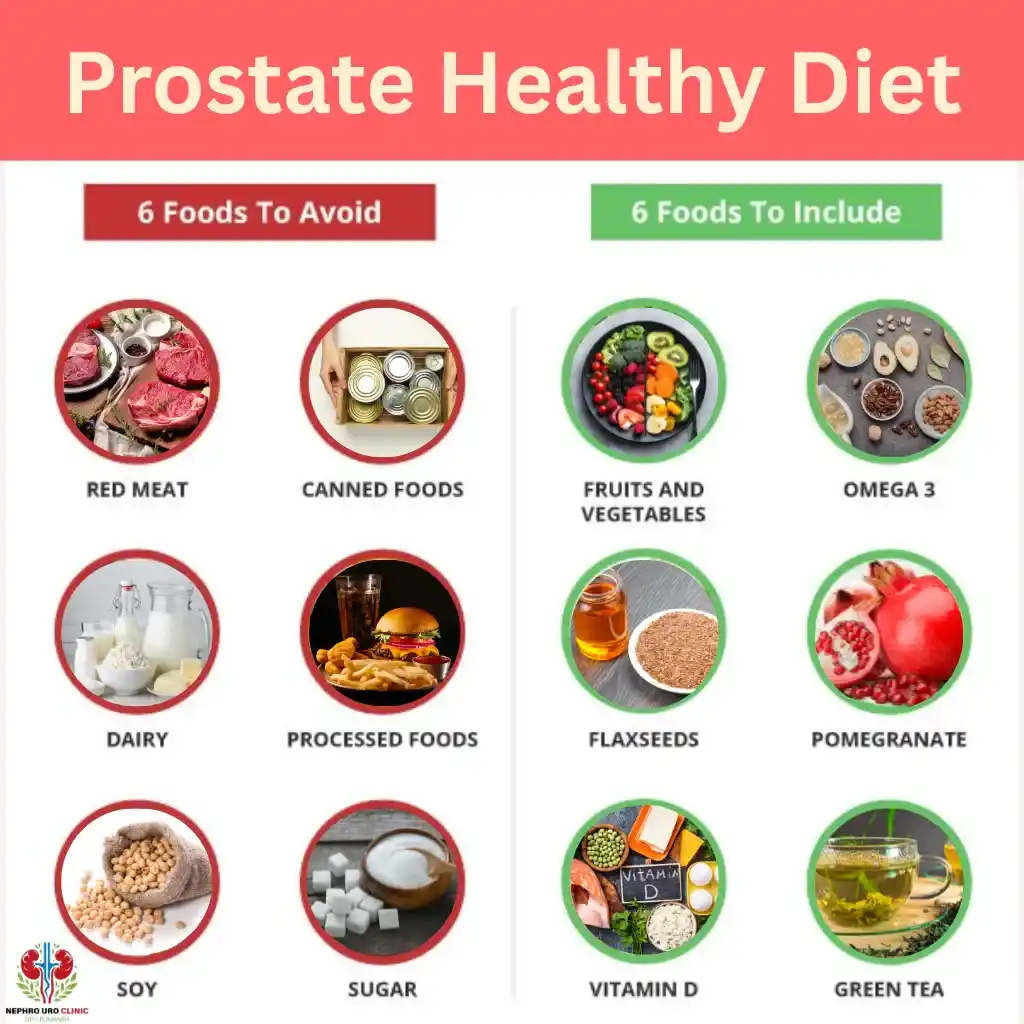
Supplements work best when combined with a diet and lifestyle that actively supports prostate function. Food choices, physical activity, and hydration all play a role.
Foods That Support Prostate Health
Cooked tomatoes and tomato-based dishes are among the most consistently supported dietary choices for prostate health due to their lycopene content. Aim for two to three servings per week.
Cruciferous vegetables including broccoli, cauliflower, and Brussels sprouts contain sulforaphane, a compound that has shown selective anti-cancer activity in laboratory studies of prostate cells.
Pumpkin seeds are one of the richest dietary sources of both zinc and beta-sitosterol, making them one of the most practical and evidence-aligned snacks for prostate health.
Fatty fish such as salmon, mackerel, and sardines provide omega-3 fatty acids that reduce systemic inflammation and support prostate tissue health.
Green tea provides EGCG daily if consumed regularly and is one of the easiest additions to a prostate health routine.
Physical Activity
Regular physical activity reduces inflammation, supports hormonal balance, and helps with weight management. Obesity has been linked to more severe BPH symptoms and a higher risk of aggressive prostate cancer.
Moderate aerobic activity such as brisk walking, cycling, or swimming for 30 minutes most days is sufficient to provide meaningful benefit. Pelvic floor exercises, also called Kegel exercises, can specifically help manage urinary symptoms associated with BPH by strengthening the muscles that support bladder control.
Hydration
Staying well hydrated helps dilute urine and reduces irritation to the bladder and urethral lining. Aim for six to eight glasses of water daily. Reduce fluid intake in the two hours before bed if nighttime urination is a significant problem.
Limit caffeine and alcohol, both of which irritate the bladder and can worsen urinary symptoms associated with BPH.
Prostate Screening: When to See a Doctor
Supplements and dietary changes support prostate health but cannot detect or treat prostate disease. Regular screening is a separate and essential component of prostate care.
The PSA (Prostate-Specific Antigen) blood test measures a protein produced by prostate cells. Elevated levels may indicate BPH, prostatitis, or prostate cancer and require further evaluation. It does not diagnose cancer on its own but guides the next steps.
A digital rectal examination (DRE) allows a urologist to feel the prostate directly for abnormalities such as asymmetry, hard spots, or unusual size.
Men over 50, or over 45 with a family history of prostate cancer, should discuss annual screening with their doctor. Men of African descent may benefit from starting screening earlier due to a statistically higher risk.
If you are experiencing urinary symptoms, a PSA result above normal, or any blood in the urine, a clinical assessment by a urologist is always the right first step, not a supplement.
When to Consult a Urologist
See a urologist promptly if you experience any of the following:
- Significant difficulty starting urination or a very weak stream
- Complete inability to urinate
- Blood in the urine or semen
- Pain in the lower back, hips, or pelvis
- PSA levels that are elevated or rising on serial testing
- Urinary symptoms that have worsened despite lifestyle changes
At Nephro Uro Clinic in Bengaluru, Dr. I. R. Ravish provides thorough prostate evaluations including PSA testing, ultrasound, and uroflowmetry, and advises patients on evidence-based supplement use as part of a broader prostate health plan. Both BPH management and prostate cancer screening are handled at the clinic.
Conclusion
Food supplements for prostate health can genuinely support prostate function and reduce lower urinary tract symptoms when chosen carefully and used alongside a healthy diet and lifestyle. Beta-sitosterol, pygeum, zinc, lycopene, and vitamin D have the strongest evidence base. Saw palmetto may help some men despite inconsistent trial results. High-dose selenium is best avoided.
The most important point is that supplements are a complement to medical care, not a replacement for it. If you are having urinary symptoms, regular prostate screening is still essential. A urologist can assess whether your symptoms need investigation, what the appropriate treatment is, and whether specific supplements are a reasonable addition to your care.
Read also Incomplete Bladder Emptying Treatment.