Most people do not think about their kidneys until something goes wrong. By that point, damage may already be significant. The good news is that kidney failure is largely preventable. With the right habits and early medical care, you can protect your kidneys for life.
This guide covers everything you need to know about how to prevent kidney failure, including what causes it, who is at risk, the early warning signs, and the practical steps that make the biggest difference.
What Actually Prevents Kidney Failure
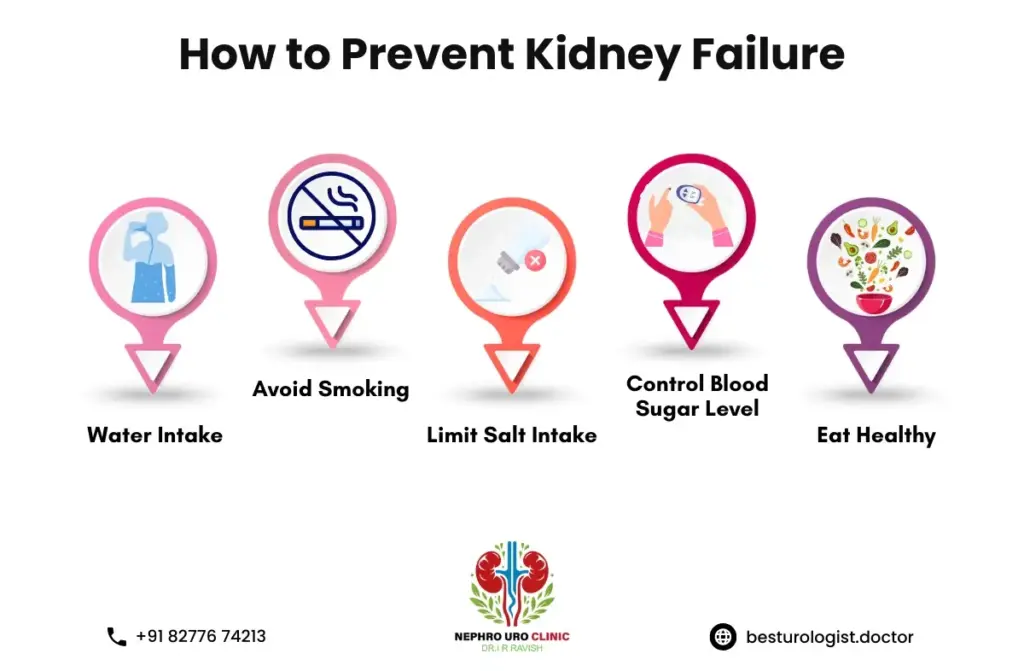
The most effective ways to prevent kidney failure are controlling blood pressure and blood sugar, staying hydrated, eating a low-sodium diet, avoiding overuse of painkillers, quitting smoking, and getting regular kidney function tests. Catching problems early is the single most important factor in protecting long-term kidney health.
What are the Kidneys and What do they do?
The kidneys are two bean-shaped organs, each about the size of a fist, located on either side of the spine. Every day, they filter around 200 litres of blood, removing waste products and extra fluid as urine.
Beyond filtration, the kidneys also regulate blood pressure, balance minerals like sodium and potassium, produce a hormone that helps make red blood cells, and activate vitamin D for bone health.
When the kidneys stop working well, all of these functions are affected.
What is Kidney Failure?
Kidney failure means the kidneys can no longer filter waste from the blood effectively. There are two main types.
Acute kidney injury comes on suddenly, often triggered by severe dehydration, infection, blood loss, or certain medications. It can sometimes be reversed with prompt treatment.
Chronic kidney disease (CKD) develops slowly over months or years, often without obvious symptoms in the early stages. Once kidney function drops to a critical level, it cannot be fully restored. This is why prevention and early detection matter so much.
Who is at Risk?
Anyone can develop kidney disease, but the risk is higher in people with:
- Type 1 or Type 2 diabetes
- High blood pressure (hypertension)
- A family history of kidney disease
- Recurrent kidney stones or urinary tract infections
- Cardiovascular disease
- Obesity
- Age over 60
If any of these apply to you, regular kidney function monitoring is not optional. It is essential.
What are the Early Warning Signs of Kidney Failure?
Kidney disease is often called a silent condition because it causes few symptoms until it is advanced. In fact, persistent protein in the urine (proteinuria) is often one of the earliest signs of kidney damage, appearing well before any symptoms are felt. This is why a simple urine test is so valuable for people with risk factors.
When symptoms do appear, they can include:
- Swelling in the legs, ankles, or feet
- Puffiness around the eyes, especially in the morning
- Fatigue that does not improve with rest
- Foamy or bubbly urine (a sign of protein in the urine)
- Blood in the urine
- Passing less urine than usual
- Difficulty concentrating
- Persistent itching or dry skin
- Loss of appetite or nausea
- Shortness of breath
These symptoms can have other causes too. But if you have any risk factors and notice one or more of these signs, get a kidney function test done without delay.
What are the Most Common Causes of Kidney Failure?
Diabetes is the leading cause worldwide. High blood sugar damages the tiny blood vessels that filter waste inside the kidneys. Over years, this leads to diabetic nephropathy.
High blood pressure puts constant strain on the kidney’s blood vessels, eventually reducing their filtering capacity. Uncontrolled hypertension is the second most common cause of kidney failure.
Recurrent kidney infections that go untreated can scar kidney tissue over time.
Long-term painkiller use, particularly NSAIDs like ibuprofen and diclofenac, reduces blood flow to the kidneys and can cause damage when used regularly over months or years.
Kidney stones, especially when they cause repeated blockages, can damage the kidney if not managed properly.
Contrast dye used in imaging tests can affect kidney function in people who already have reduced kidney function. Always inform your doctor if you have kidney disease before any scan involving dye.
10 Ways to Prevent Kidney Failure
1. Control Your Blood Pressure
Keep blood pressure within the target range advised by your doctor. For many people with diabetes or kidney disease, this is below 130/80 mm Hg. Uncontrolled high blood pressure is one of the fastest ways to accelerate kidney damage. Take prescribed medications consistently and check your readings regularly at home.
2. Manage Blood Sugar If You Have Diabetes
High glucose damages the kidneys over time. Work with your doctor to keep HbA1c within your target range. Even modest improvements in blood sugar control significantly reduce kidney risk.
3. Drink Enough Water
Adequate hydration helps the kidneys flush out sodium and toxins. For many adults, around 2 to 2.5 litres of fluid daily is reasonable, though needs vary depending on climate, activity level, and medical conditions. People with kidney stones may need more. If you already have kidney disease, your doctor may recommend a specific fluid limit.
4. Eat a Kidney-Friendly Diet
Reduce sodium, processed foods, and red meat. These raise blood pressure and increase the kidneys’ workload. Include more vegetables, fruits, whole grains, and lean protein. If you have CKD, your doctor may also advise limiting potassium and phosphorus, which are found in certain foods.
5. Avoid Overusing Painkillers
NSAIDs like ibuprofen and naproxen are safe for occasional use in healthy people, but regular or high-dose use reduces blood flow to the kidneys. If you need pain relief frequently, speak to your doctor about safer alternatives.
6. Stop Smoking
Smoking narrows blood vessels and reduces blood flow to the kidneys. It also raises blood pressure and slows the removal of waste. Smokers with diabetes or hypertension are at significantly higher risk of kidney disease. Quitting is one of the most protective things you can do.
7. Limit Alcohol
Heavy alcohol use raises blood pressure, dehydrates the body, and adds to the kidneys’ filtering burden. Moderate intake is generally safer than heavy or binge drinking, but staying within recommended limits protects both kidney and liver health over the long term.
8. Maintain a Healthy Weight
Obesity increases the risk of diabetes, hypertension, and inflammation, all of which harm the kidneys. Even modest weight loss through diet and regular activity can reduce kidney disease risk meaningfully.
9. Exercise Regularly
Physical activity helps control blood pressure, blood sugar, weight, and cholesterol. You do not need intense workouts. A 30-minute walk most days is enough to make a difference.
10. Get Tested Regularly
If you have any risk factors, ask your doctor for a kidney function test at least once a year. Two simple tests can detect early kidney disease: a blood test for creatinine (to estimate GFR) and a urine test for protein (microalbuminuria). Early detection allows treatment to begin before significant damage occurs.
How is Kidney Failure Diagnosed?
Kidney failure is diagnosed through a combination of tests:
Blood tests measure creatinine and blood urea nitrogen (BUN). These rise when the kidneys are not filtering properly. The estimated glomerular filtration rate (eGFR) is calculated from creatinine and gives the clearest picture of kidney function.
Urine tests check for protein and blood in the urine, both early markers of kidney damage.
Imaging such as ultrasound or CT scan shows the size and structure of the kidneys and can detect stones, blockages, or scarring.
Kidney biopsy is done in selected cases to identify the specific type of kidney disease and guide treatment.
How is Kidney Failure Treated?
Treatment depends on the cause and stage. In early CKD, the focus is on slowing progression by managing blood pressure, blood sugar, and diet. Medications such as ACE inhibitors or ARBs are commonly prescribed to protect kidney function.
In advanced kidney failure, treatment options include:
Dialysis, which takes over the kidney’s filtering role. Haemodialysis is done at a clinic several times a week. Peritoneal dialysis can be done at home.
Kidney transplant, which replaces the failed kidney with a healthy donor kidney. This offers a better quality of life than long-term dialysis for many patients and is available at specialist centres in Bengaluru.
Can Kidney Failure Be Reversed?
Acute kidney injury can often recover well with early and appropriate treatment. Chronic kidney disease cannot be fully reversed, but its progression can be slowed significantly with lifestyle changes and medication. This is why early diagnosis changes outcomes.
When to See a Specialist
If you have diabetes, high blood pressure, a family history of kidney disease, or any of the symptoms listed above, see a urologist or nephrologist for evaluation. Waiting until symptoms become severe limits the treatment options available.
At Nephro Uro Clinic in Bengaluru, Dr. I. R. Ravish evaluates patients with kidney-related concerns and provides a clear plan tailored to each person’s situation. Early consultation is always better than delayed care.